How to Insure a Documentary Production
Real-world stories come with real-world risks. Discover exactly what coverage you need to protect your footage, your crew, and your right to distribute.
Need a quick response? Call 888-959-0772. Email: quotes@movieinsure.com (reply may take longer)
Home » How To Insure a Documentary Production
How to Insure a Documentary Production
Documentary filmmaking is one of the most rewarding forms of storytelling. Unlike scripted productions, documentaries often involve real people, real events, and unpredictable situations that unfold without warning. Whether you’re producing a short documentary, a feature-length film, a streaming series, or an investigative project, proper insurance is essential to protect your production, crew, equipment, and financial investment.
Many filmmakers assume documentaries are less risky than narrative productions because they often use smaller crews and lower budgets. In reality, documentary productions can face unique challenges that make insurance even more important. Crews frequently travel to unfamiliar locations, conduct interviews with members of the public, capture footage in changing environments, and work on extended production schedules that may last months or even years. A single accident, equipment theft, legal dispute, or production delay can jeopardize an entire project.
Understanding how to properly insure a documentary production is one of the smartest steps you can take before filming begins.
Every documentary project carries risk. Even a simple interview shoot can create liability exposures that producers may not anticipate.
Common risks include:
Many film permits, government agencies, municipalities, studios, venues, and private property owners require proof of insurance before granting permission to film. In many cases, production cannot move forward without an insurance certificate naming the location as an additional insured.
Before purchasing insurance, evaluate the scope of your documentary.
Ask yourself:
A documentary following wildlife researchers in remote terrain will have different insurance requirements than a sit-down interview series filmed in a controlled studio environment.
The more accurately you identify your risks upfront, the easier it becomes to secure the right coverage.
General Liability Insurance is often the foundation of any production insurance package.
This coverage helps protect your production if:
Many filming locations require liability coverage limits before issuing permits or contracts. Having adequate liability protection demonstrates professionalism and protects the financial stability of your production company.
Equipment is often one of the largest investments associated with a documentary project.
Coverage can be arranged for:
Documentary crews frequently travel between locations, increasing the likelihood of theft, accidental damage, or loss. Equipment insurance helps cover repair or replacement costs so a single incident does not halt production.
Whether you own your gear or rent it, equipment coverage should be carefully reviewed before filming begins.
Even small documentary productions involve people whose safety must be protected.
Workers Compensation Insurance may be required by law depending on your state, production structure, and crew arrangements.
This coverage can help pay for:
Documentary shoots often take place in dynamic environments where slips, falls, transportation accidents, or equipment-related injuries can occur unexpectedly. Protecting your crew is not only responsible—it’s often legally required.
A comprehensive production package may include several important protections beyond basic liability insurance.
These coverages can include:
If production is interrupted due to a covered event, Extra Expense coverage may help offset the additional costs required to keep the project moving.
Lost, damaged, corrupted, or unusable footage can create significant setbacks. Coverage may help pay for reshoots and recovery expenses when eligible losses occur.
Although documentaries often use fewer production assets than narrative films, many projects still rely on rented props, staging, exhibits, archival displays, or specialized wardrobe elements.
Certain policies may provide protection against delays caused by covered incidents, helping preserve budgets when schedules unexpectedly change.
Many documentaries involve travel.
International productions introduce additional concerns such as:
If your documentary includes international filming, be sure your policy specifically addresses foreign production exposures. Coverage requirements often vary depending on destination, activities, and duration of travel.
Errors & Omissions Insurance is one of the most important coverages for documentary filmmakers.
Unlike physical production insurance, E&O protects against claims arising from the content of your film.
Potential allegations include:
Because documentaries frequently deal with real people and real events, E&O coverage is often considered essential.
Most distributors, broadcasters, streaming platforms, and many film festivals require E&O coverage before distribution agreements can be finalized. Waiting until the end of production to address E&O issues can create costly delays, which is why experienced producers begin thinking about clearance and legal compliance early in the process.
Documentary producers generally have two options.
Ideal for:
Ideal for:
Annual plans often provide greater flexibility and may be more cost-effective for companies producing multiple projects within a twelve-month period.
Documentary productions require specialized insurance solutions. Generic business insurance policies often fail to address the unique risks faced by filmmakers.
MovieInsure focuses exclusively on entertainment and production insurance, helping filmmakers secure coverage designed specifically for the realities of production.
Benefits include:
Whether you’re filming a local human-interest story, an investigative documentary, a nature series, or an international feature documentary, having the proper insurance allows you to focus on storytelling while protecting the investment you’ve made in your project.
A successful documentary depends on preparation. While filmmakers spend countless hours planning interviews, locations, equipment, and budgets, insurance should be considered just as important as any camera or crew member.
The right coverage helps protect against accidents, legal disputes, equipment losses, production interruptions, and distribution obstacles that could otherwise derail months—or even years—of work.
By securing appropriate documentary production insurance before filming begins, producers can move forward confidently, knowing their project, crew, equipment, and financial investment are protected every step of the way
🎬 Secured a Distribution Deal? Most distributors will not let a documentary stream or broadcast without a fully active, multi-year Errors & Omissions (E&O) policy in place. At MovieInsure.com, we specialize in accelerating the underwriting review process, working directly with your entertainment counsel to ensure your clearance protocol satisfies network delivery deadlines
Documentaries often cross borders. We offer Foreign Liability and Travel policies that cover your crew whether you are shooting in a neighboring state or a remote international location.
We specialize in Errors & Omissions insurance. We know exactly what clearance attorneys, Netflix, HBO, and PBS require before they will touch your project.
If your hard drives crash or footage is corrupted during a once-in-a-lifetime interview, we provide coverage to help finance reshoots and technical recoveries.
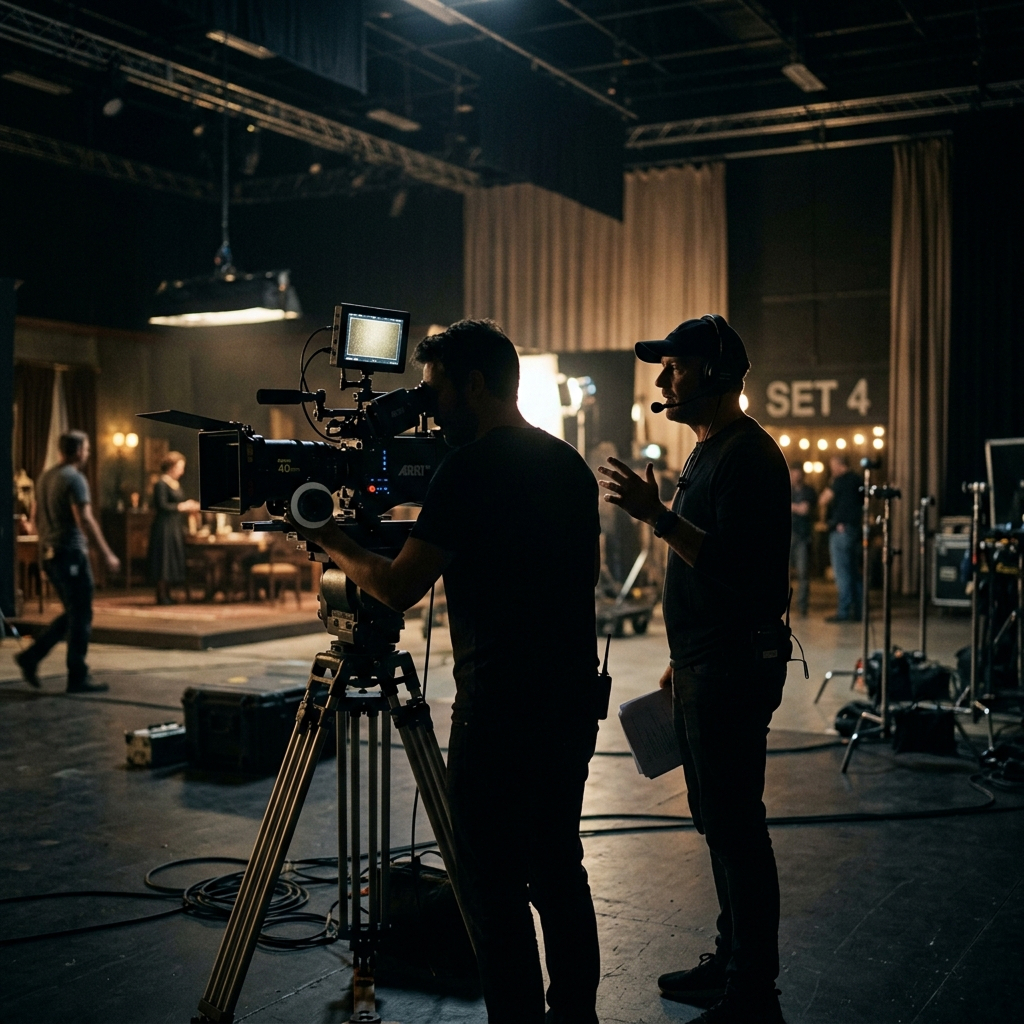
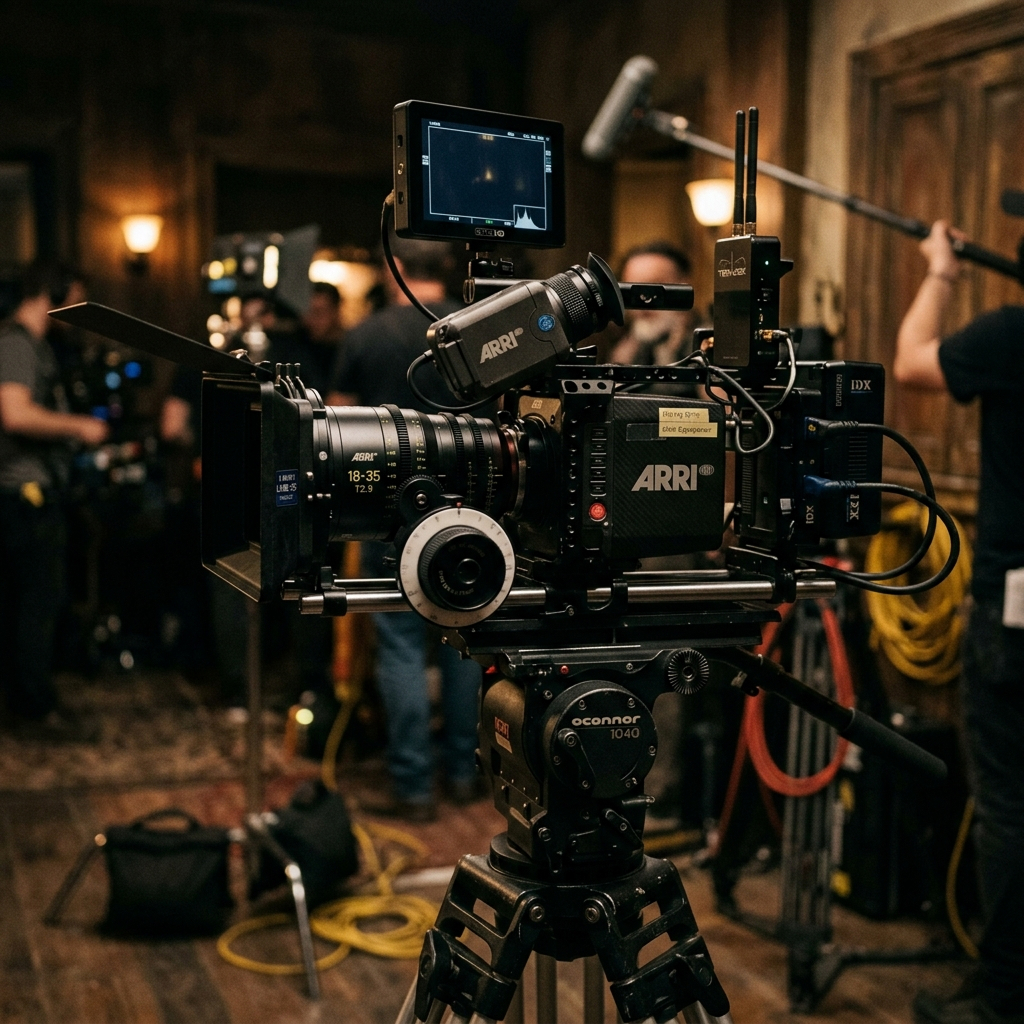
Before cameras roll or locations are booked, we set up a short-term or annual production policy covering your liability, equipment, and workers' compensation for the crew.
As you move between interviews and locations, we instantly generate Certificates of Insurance to hand to property owners, city permit offices, and rental houses.
You work with a clearance attorney to ensure all archival footage, music, and interviews have proper releases or fall under Fair Use guidelines.
Once the final cut is ready and legally vetted, we bind your Errors & Omissions policy, allowing you to finalize distribution deals with networks and streamers.
CA LICENSE #0I32322
We go to great lengths to protect the privacy our clients. We enjoy speaking and interacting with our clients. 99% Paperless.