
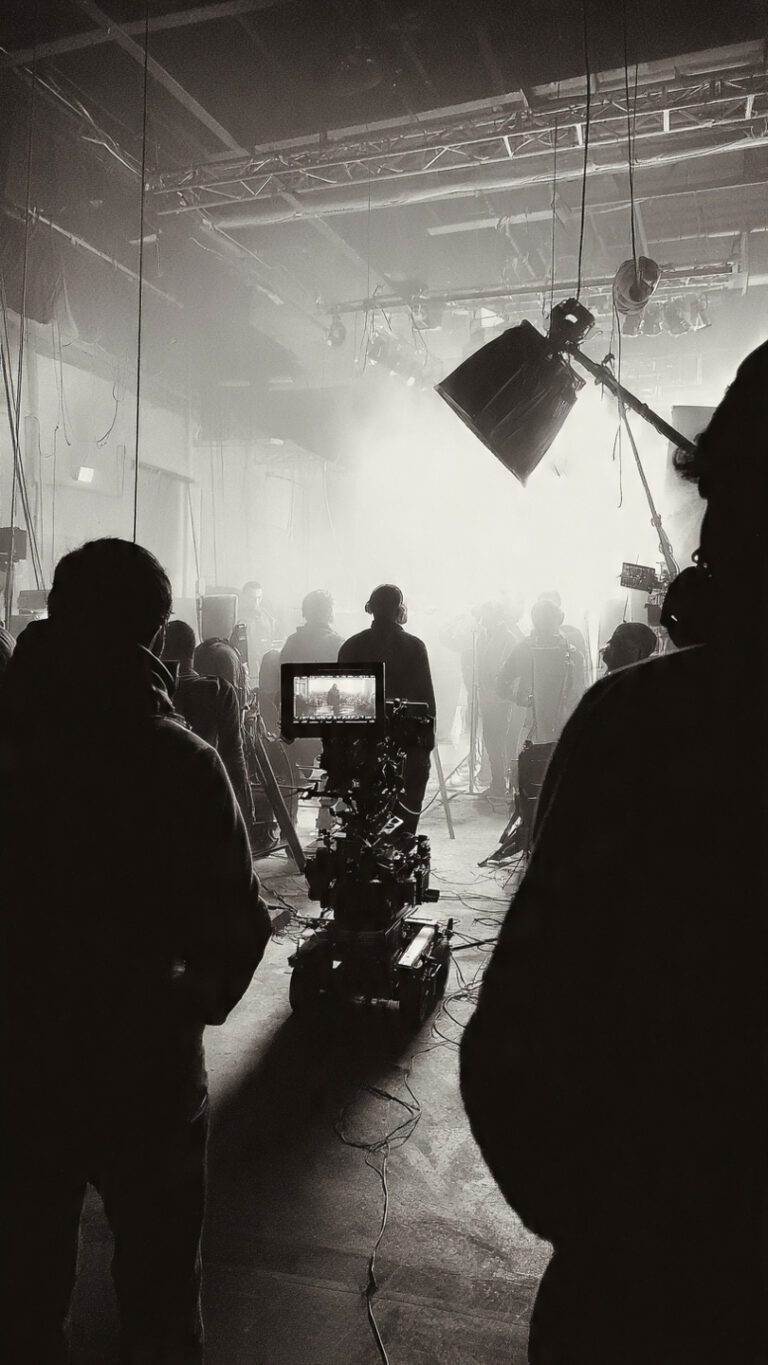
Film sets are controlled chaos. One cracked lens, one injured stunt performer, or one location that pulls your permit can sink weeks of work and millions in budget. Entertainment insurance exists to keep your production alive when the unexpected shows up on call sheet day. These are the five coverage areas every producer should line-item before cameras roll.
1. Cast Insurance
What it covers: Financial loss if a named actor is sick, injured, dies, or otherwise can’t perform and complete their role.
Why it matters: Delays from recasting or rescheduling are brutal. For indie films, losing your lead can mean losing your financing. Policies typically cover extra expenses to work around the absence or finish the film with a replacement.
Key detail: You’ll list “essential cast” on the application. The insurer may require medical exams for anyone above a certain age or salary threshold.
2. Negative Film & Faulty Stock, Camera & Digital Media
What it covers: Physical damage or loss of your raw footage, plus the cameras and equipment used to capture it. “Negative” is legacy terminology, but it now includes damaged hard drives, corrupted files, and faulty digital stock.
Why it matters: Reshoots kill budgets. This coverage pays for the crew, cast, locations, and gear needed to recreate lost scenes. It also covers rental cameras, lenses, grip, lighting, and sound packages if they’re stolen or damaged.
Key detail: You must prove you followed standard backups and chain-of-custody. No coverage if you only had one drive in someone’s backpack.
3. Props, Sets, and Wardrobe (PSW)
What it covers: Physical loss or damage to owned, rented, or built items: sets, set dressing, props, costumes, and scenery.
Why it matters: A warehouse fire or a truck accident can wipe out months of art department work overnight. PSW coverage gets you the funds to rebuild or replace so you stay on schedule.
Key detail: Fine art, antiques, and picture vehicles often need to be scheduled separately with appraisals. Don’t assume your 1965 Mustang is covered under “props.”
4. Extra Expense
What it covers: The additional costs you incur to keep production moving after a covered loss. Think overtime, rush shipping for replacement gear, or moving to a backup location.
Why it matters: The base policies pay to replace things. Extra Expense pays to replace time. Without it, you might get a check for a new camera in 3 weeks, but still blow your location dates and actor availability.
Key detail: This is often bundled with “Business Interruption” in general insurance, but entertainment policies split them. For film, Extra Expense is the one you care about most.
5. General Liability & Third-Party Property Damage
What it covers: Bodily injury or property damage to people not employed by the production. If your light falls and hits a passerby, or you scratch the marble floor of a rented mansion, this responds.
Why it matters: No location or vendor will sign your deal without a COI naming them as Additional Insured. Most require $1M/$2M limits minimum. This is your “permission slip” to film anywhere.
Key detail: This does not cover cast/crew injuries. That’s Workers’ Compensation, which is state-mandated and separate.
How They Work Together: The Completion Bond Factor
If you have financiers or a bond company, they’ll require all five areas before funds are released. The bond company is guaranteeing delivery of the film, and these coverages are how they manage risk. A gap in any one area can halt funding.
Pro Tips Before You Bind:
- Start early: Underwriters need scripts, budgets, schedules, and location lists. 3-4 weeks before prep is ideal.
- Be accurate on budget: Understating your budget to save premium can void coverage when you need it.
- Read the exclusions: Stunts, aircraft, water work, and pyrotechnics are never “automatically” covered. Declare them.
- Certificate management: Your broker should issue COIs to every location, vendor, and municipality fast. Delays here delay your shoot.
Insurance isn’t the sexy part of filmmaking, but it’s the part that lets you take creative risks without betting the whole company. Treat it like any other department head: hire it early, give it the info it needs, and let it protect the work.
Want me to tailor this for a specific budget range or add a section on errors & omissions (E&O) for distribution?